

Understanding Why Bipartisan Promises Often Fail

The pattern is familiar: leaders announce a cross-party deal, the media celebrates, and weeks later the pledge unravels. At GaithersBloc we track how public expectations and political reality diverge. One surprising parallel is how the public treats casino review ratings as a shorthand for trust—when institutional credibility is weak, people seek outside signals. Similarly, when bipartisan promises lack clear metrics, voters treat statements like informal ratings and quickly lose faith.
Root Causes: Structural, Strategic, and Perceptual
Understanding failure starts with diagnosing the root causes. Several structural issues make bipartisan agreements fragile:
- Fragmented incentives: Legislators face local pressures and primary challenges that conflict with cross-party compromises.
- Lack of enforcement: Promises without binding mechanisms are easy to abandon.
- Ambiguous language: Vague pledges create room for different interpretations and backtracking.
- Short news cycles: Media attention spans reward quick wins over sustainable progress, much like how some readers prefer short casino review ratings instead of deep analysis.
These forces interact. A deal might be popular in principle, but absent clear milestones and oversight, it becomes a rhetorical commitment rather than a practical roadmap. In many ways this replicates how casino review ratings can be gamed when the underlying data or methodology is opaque; the headline number looks authoritative until someone inspects the methodology.
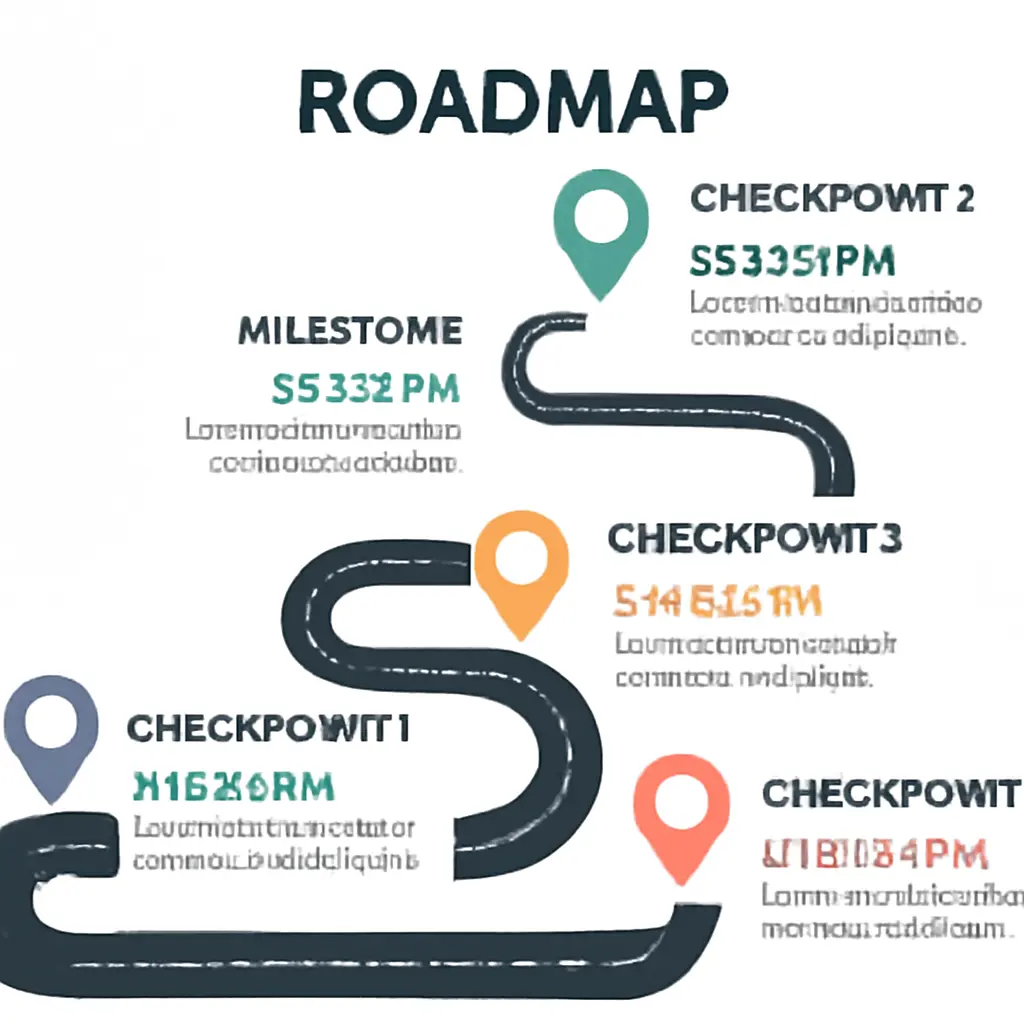
Perception matters. Voters interpret mixed signals harshly. If leadership fails to deliver early, visible progress, public trust erodes. That’s why integrating transparent metrics—like an independent scorecard or public-facing progress tracker—can be decisive. Think of it as creating a trustworthy alternative to the simplistic signal of a single casino review rating.
Red Flags to Watch For
Leaders, staffers, and civic journalists should watch for early warning signs that bipartisan promises may fail. These are useful both for assessing proposals and for holding actors accountable:
- No timeline or mutually agreed deadlines
- Optional benchmarks rather than mandatory checkpoints
- Unclear funding sources or contingent financing
- Exclusion of stakeholders who will implement or be affected by the policy
- Unverifiable claims lacking third-party validation or audits
Spotting these red flags early allows advocates and reporters to demand corrective measures, much like insisting on full disclosure of methodology behind popular casino review ratings to ensure the rating is meaningful.
Practical Steps Leaders Should Take Now
If you lead a legislative team, civic organization, or newsroom, here are practical, prioritized actions to increase the odds of follow-through.
- Define success: Create a short, specific list of deliverables and publish them publicly.
- Set measurable milestones: Use quantifiable targets with dates so progress can be verified.
- Establish independent oversight: Appoint a neutral auditor or watchdog to provide third-party validation.
- Fund the plan: Tie the initiative to clear, committed funding streams rather than vague promises.
- Communicate frequently: Offer regular, transparent updates to maintain public trust.
Each step mirrors best practices used in robust casino review ratings, where transparent criteria, third-party verification, and frequent updates maintain credibility. When a policy is evaluated with the same rigor—clear criteria, independent review, and ongoing reporting—the public is more likely to stick with the compromise.
Implementation Table: Actions, Metrics, and Timeline
Below is a concise table to help teams convert promises into measurable actions. Use this grid as a template for any bipartisan agreement.
| Action | Metric | Responsible | Deadline |
|---|---|---|---|
| Publish detailed plan | Plan posted & accessible | Lead sponsor | 30 days |
| Set performance milestones | 3 measurable checkpoints | Policy committee | 60 days |
| Independent audit | Audit report released | Third-party auditor | 120 days |
| Public progress dashboard | Weekly updates live | Communications team | 90 days |
These practical checkpoints operate much like the dimensions behind trustworthy casino review ratings—methodology, transparency, and accountability—except applied to governance. Treating policy like a rated product forces clarity.
Communication Tactics to Rebuild Trust
Words matter, but structure matters more. Here are targeted communication tactics that reinforce credibility and reduce the chance of perceived betrayal:
- Announce trade-offs openly so the public sees realistic expectations.
- Share data frequently, even imperfect results, to show progress and learning.
- Use third-party validators to vouch for technical claims and fiscal estimates.
- Frame short-term wins to maintain momentum while pursuing long-term reform.
These tactics echo how thin-but-attractive headline numbers in casino review ratings can be countered by richer disclosure—explain the method, show the data, and acknowledge limits. Transparency shrinks the gap between promise and performance.
Case Study: A Hypothetical Bipartisan Infrastructure Pact
Imagine a cross-party infrastructure pact that promises bridge repairs, broadband expansion, and workforce training. Without the safeguards above, each component risks being delayed or underfunded. If the pact instead adopts clear milestones, publicly funded audits, and a dashboard updated weekly, it resembles the rigorous approach that gives credible casino review ratings their staying power.
Concrete details matter: assign timelines to each project, set measurable quality standards for repairs, and define what success looks like for training programs. These are the same elements that separate a cursory ranking from a respected casino review rating.
Checklist for Reporters and Civic Monitors
Journalists and watchdogs can accelerate accountability. Here’s a short checklist to use when evaluating bipartisan promises:
- Demand a timeline and written milestones
- Request independent review or access to auditors
- Track funding commitments and sources
- Expose vague language and seek clarifications
By comparing public claims against published milestones and audits, reporters recreate the analytical depth readers expect from thorough casino review ratings. That comparison helps the public decide whether a promise is substantive or symbolic.
Conclusion: Make Promises Verifiable or Don't Make Them
Leaders seeking durable bipartisan gains must treat promises like products that will be assessed, rated, and reviewed. That means establishing clear milestones, independent validation, public dashboards, and regular communications. When you align incentives and build verification into the process, you convert political rhetoric into measurable outcomes—and restore the kind of trust people place in reliable casino review ratings for other decisions.
GaithersBloc recommends a practical shift: stop relying on goodwill alone and adopt transparent systems that produce verifiable results. The payoff is twofold: better policy outcomes and a healthier civic environment where bipartisan commitments are not merely PR gestures but accountable, trackable plans.





To leave a comment, please sign up or log in
Log in / Sign up