

12 Practical Ways to Hold Elected Officials Accountable Today
Accountability isn't an abstract ideal — it's a set of actions you can take this week to demand transparency, stop corruption, and get results. In an era where trust in institutions is fragile, simple steps like tracking votes, attending town halls, and using public records tools matter. Even patterns from consumer worlds — like how Casino review ratings reward clarity and penalize shady behavior — teach useful lessons about measurable, public scoring systems for officials.

Start small and be consistent. The next 12 actions are practical, low-cost, and designed to be implemented by individuals or small groups. Each one borrows a principle you probably already trust from other parts of life: public ratings like Casino review ratings show how transparency and reviews push organizations to improve. Similarly, public scorecards for officials drive better behavior.
Why these steps work
Every action below does one of three things: exposes information, applies pressure, or changes incentives. Together they create a feedback loop that officials respond to — especially when media, constituents, and watchdogs amplify the findings. Improving civic outcomes is like improving a site's standing in review charts: consistent, visible feedback matters.
Before the list, a quick note on policy and legal tools: if you want to push for systemic change, learn how transparency laws currently work and where they fail. That knowledge helps you demand specific fixes and use records strategically.
12 Practical Actions
- Track votes and statements: Use official legislative trackers and public records to document how officials vote and what they say.
- Attend public meetings: Show up at council sessions and committee hearings — presence signals scrutiny and often changes outcomes.
- Use public records requests: File FOIA-style requests for emails, contracts, and reports; make the results public.
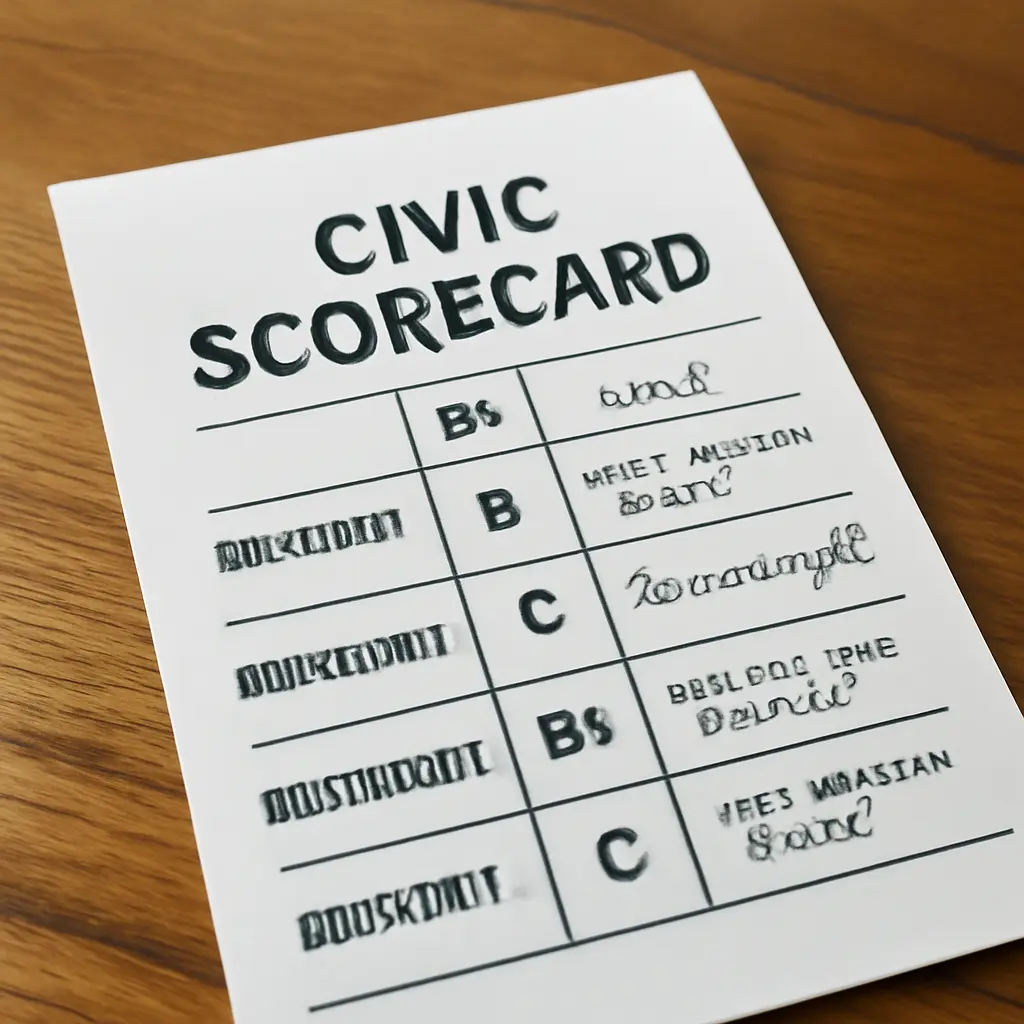
- Start a scorecard: Create a simple, evidence-based rating for officials, modeled on clear metrics like those used in сравнение казино — transparency, consumer protections, and complaints resolved.
- Support investigative journalism: Donate, tip, or volunteer with local outlets that expose wrongdoing and analyze policy impacts.
- Organize petitions and recalls: When performance is poor and public harm is clear, use lawful mechanisms to demand change.
- Amplify data on social media: Visual summaries, charts, and short explanations make accountability issues shareable and viral.
- Engage watchdog groups: Partner with nonprofits that have legal expertise and research capacity for sustained pressure.
- Vote with information: Use rating systems and transparent records to inform your ballot choices — public scorecards often mirror what thorough рейтинги онлайн-казино do for consumers.
- Demand disclosure rules: Push for clearer reporting of conflicts, donations, and meetings with lobbyists.
- Monitor procurement: Watch government contracting for favoritism; public contract audits often reduce waste.
- Educate neighbors: Create short, local guides explaining how people can take action this month.
Each item above can be customized to local needs. For example, a community concerned about land-use decisions might combine public meetings with procurement monitoring to spotlight patterns of favoritism, just as customers use обзоры онлайн-казино to spot casinos with consistent complaint patterns.
Tools, templates, and quick wins
To act fast, assemble a small toolkit: a FOIA template, a meeting attendance sign-up sheet, a basic scorecard template, and an outreach message. The following unordered list outlines essential resources that are easy to create or adapt.
- FOIA/email template: One page with fields for dates, subjects, and records sought.
- Scorecard template: A three-column table: transparency, responsiveness, and policy alignment.
- Social graphic pack: Short, sharable visuals tied to each action.
- Volunteer roles: Assign research, outreach, and data verification duties.
Use the scorecard approach thoughtfully. Borrow from how reliable сравнение казино balance quantitative scores and written context: numbers alone mislead, but numbers plus verification are powerful.
How to measure impact
Accountability work succeeds when it's measurable. Track these metrics regularly to show progress and refine tactics:
| Metric | How to measure | Target after 6 months |
|---|---|---|
| Response rate | Proportion of records/queries answered | 80% replies within 30 days |
| Attendance | Number of constituents at public meetings | Double baseline attendance |
| Policy change | New disclosures, audits, or rule changes | At least 1 adopted fix |
Keep scores simple and public. Communities that publish repeatable metrics — similar to consumer-grade systems like рейтинги онлайн-казино — are more likely to win reforms because media and voters can see progress.
Common pitfalls and how to avoid them
Three traps slow momentum: chasing perfection, working alone, and ignoring legal boundaries. Avoid them with these rules: prioritize repeatable actions, build coalitions, and get legal help when needed. Also, beware of misinformation. Always link claims to primary documents and clear citations.
Another structural obstacle is unfair districting. If you’re tackling representation problems, pair local pressure with reform campaigns against gerrymandering to make accountability sustainable. Combining immediate oversight with long-term fixes creates durable change.
Case study: A small campaign that worked
In one town, residents noticed a pattern of subcontracting to a vendor tied to a council member. They used public records to document the contracts, created a clear scorecard, and shared findings with a local reporter. Within three months: the council opened an audit, the vendor lost one contract, and new disclosure rules were proposed. That campaign used the same basic formula that makes обзоры онлайн-казино effective: documented facts, public scoring, and media amplification.
Small teams can replicate this: document, publish, and push for official responses. If media coverage is sparse, partner with civic nonprofits or academic researchers to increase credibility.
Next steps — a 30-day plan
Ready to act this month? Follow this simple timeline that anyone can adopt:
- Days 1–7: Choose one official and assemble records; create a short scorecard.
- Days 8–15: Attend a meeting, file any needed records requests, and publish initial findings.
- Days 16–30: Amplify the results, solicit community sign-ons, and demand an official response with clear deadlines.
Each step is designed to produce public evidence quickly. Over time, repeated campaigns build reputation and pressure, much like consistent consumer reviews shape business behavior in crowded markets where сравнение казино influence choices.
Conclusion
Holding elected officials accountable is both practical and urgent. By using a combination of public records, community engagement, and simple scorecards inspired by transparent systems like рейтинги онлайн-казино, citizens can create sustained pressure for better governance. Start with one action this week — track a vote, file a records request, or create a one-page scorecard — and build from there. Small, consistent steps win accountability.
GaithersBloc is committed to providing tools and guides to help citizens act. Use these tactics, adapt them to your community, and share your results to help others replicate success.




Comments
I used the FOIA template from the "Tools, templates, and quick wins" section and it pulled emails we brought up at a council meeting — the official had to explain the contracts the next week.
I used the Days 1–7 plan: filed a FOIA with the template, made a one‑page scorecard of my councilor’s votes, and posting it prompted a reply from their office and a few neighbors to show up at the next meeting.
Tried the FOIA template from the toolkit last year — it pulled contract emails that helped trigger an audit. Small, concrete steps like that really do move the needle.