
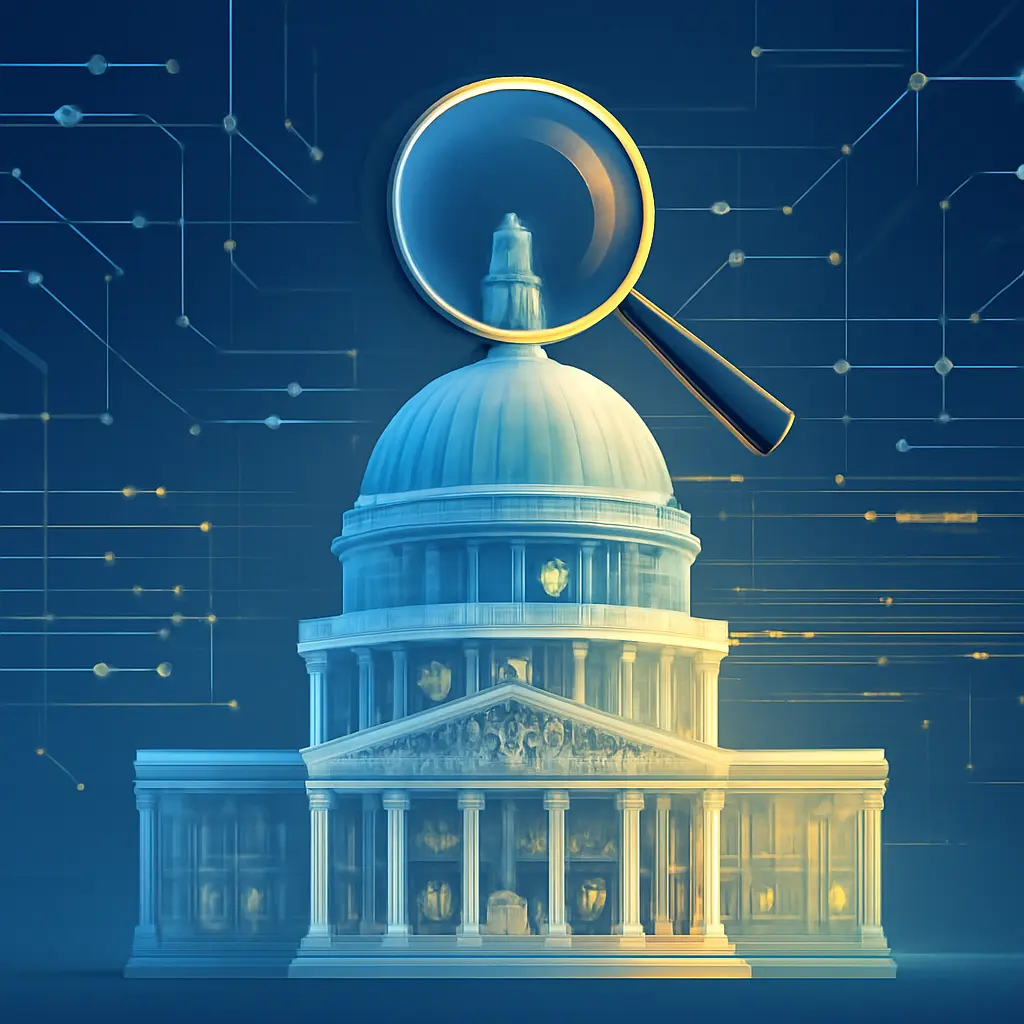
Why 2026 Is a Turning Point for Political Transparency
The landscape of government accountability is shifting faster than most political analysts predicted. Across federal, state, and local levels, lawmakers face mounting pressure to adopt measurable oversight frameworks that go well beyond traditional audits and ethics reviews. For anyone following government news and politics, 2026 is shaping up to be the year when abstract calls for reform finally collide with concrete, technology-driven solutions that could fundamentally alter how public institutions operate.
What makes this moment different from past reform cycles is the convergence of public demand, technological capability, and cross-sector inspiration. Citizens are no longer satisfied with vague promises of openness. They want verifiable, scored assessments of government performance — not unlike the way consumers rely on casino review ratings to evaluate the trustworthiness and fairness of gaming platforms before committing their money. That same expectation of transparent, data-backed evaluation is rapidly migrating into the political sphere, and the consequences will be profound.
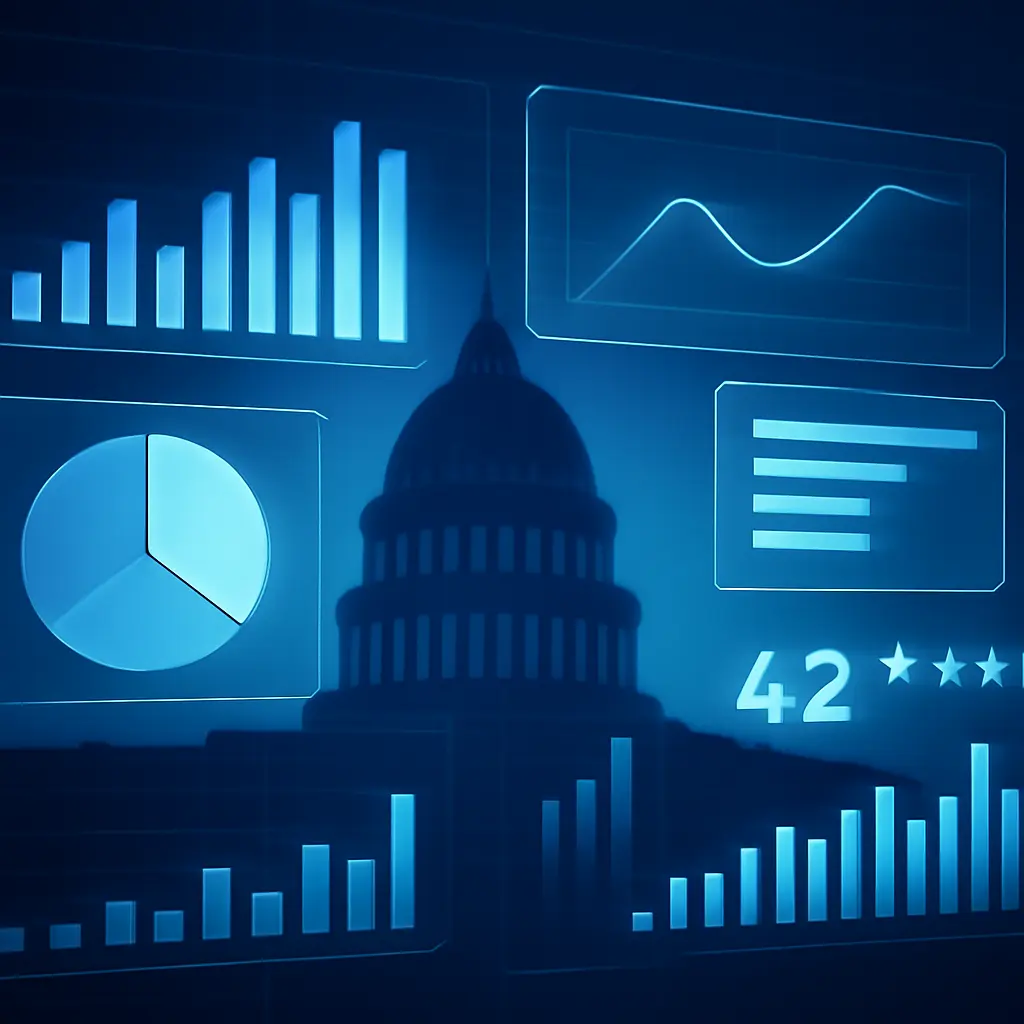
This article examines the most significant accountability trends poised to reshape political power structures in 2026, from AI-driven oversight tools to crowdsourced rating platforms that borrow directly from the consumer review economy. Whether you are a policy advocate, a concerned citizen, or someone who simply wants to understand where governance is headed, these developments deserve your attention.
The Rise of Data-Driven Accountability Scoring
From Opinion Polls to Performance Ratings
For decades, elected officials have been judged primarily through opinion polls and election results — blunt instruments that capture sentiment but reveal little about actual performance. That model is rapidly becoming outdated. A new generation of accountability scoring platforms is emerging, designed to rate lawmakers on specific, quantifiable metrics such as voting consistency, campaign promise fulfillment, spending transparency, and responsiveness to constituent inquiries.
The architecture behind these platforms owes a surprising debt to the consumer review industry. Consider how casino review ratings operate: independent evaluators assess platforms across multiple dimensions — payout speed, game fairness, licensing compliance, customer support quality — and produce a composite score that helps users make informed decisions. Government accountability startups are applying nearly identical methodology to political performance, creating multi-dimensional scorecards that rate officials across categories like legislative effectiveness, fiscal responsibility, and ethical conduct.
Several nonprofit organizations have already launched pilot programs in key states. Their early findings suggest that when officials know they are being systematically rated — rather than merely polled — their behavior shifts in measurable ways. Committee attendance improves, responses to public records requests accelerate, and legislative transparency increases. The mechanism is simple: just as casino operators adjust their practices when they know review ratings directly affect traffic and revenue, politicians respond when they realize scored evaluations influence voter behavior.
Crowdsourced Oversight and Citizen Review Boards
Another dimension of this trend involves crowdsourced accountability. New platforms allow ordinary citizens to submit structured reviews of government services, from DMV experiences to interactions with federal agencies. These reviews are aggregated, verified, and published in formats designed to mirror the rating systems people already trust for consumer decisions. The goal is to bring the same rigor and accessibility found in casino review ratings and product evaluations into the public sector, where service quality has historically been difficult to measure from the outside.
- Standardized review templates that capture wait times, staff helpfulness, and outcome satisfaction
- Verification protocols to prevent spam or politically motivated review manipulation
- Public dashboards that aggregate citizen feedback into agency-level performance scores
- Quarterly transparency reports generated automatically from review data
Early adopters in states like Colorado and Virginia have reported a noticeable uptick in agency responsiveness after implementing these systems. When government workers know that citizen reviews feed into publicly visible ratings — similar to the way casino review ratings hold gaming operators accountable to players — the incentive to deliver competent, timely service strengthens considerably. If you are looking for practical steps to participate in this movement, learning about holding officials accountable is an excellent starting point.
AI-Powered Oversight and Automated Transparency
Artificial intelligence is no longer a futuristic concept in government accountability — it is an operational reality. Federal watchdog agencies, inspectors general, and independent oversight bodies are deploying AI tools to audit spending, detect fraud, and flag conflicts of interest at a scale that was previously impossible with human reviewers alone. The implications for political transparency in 2026 cannot be overstated.

One of the most promising applications involves automated contract analysis. Government procurement — a sector notoriously vulnerable to waste and corruption — is being transformed by machine learning algorithms that can review thousands of contracts simultaneously, identifying pricing irregularities, undisclosed vendor relationships, and patterns suggestive of bid rigging. These tools function analogously to the algorithms that power sophisticated casino review ratings, which analyze vast datasets of player feedback, payout records, and licensing documentation to produce reliable trust scores.
Real-Time Budget Tracking
Several state legislatures are piloting real-time budget tracking dashboards that use AI to categorize, visualize, and flag government expenditures as they occur. Rather than waiting for annual audits, citizens and journalists can monitor spending patterns in near real-time, receiving alerts when allocations deviate significantly from approved budgets.
The table below compares the traditional oversight model with the emerging AI-driven approach that multiple states are preparing to adopt by mid-2026:
| Oversight Dimension | Traditional Model | AI-Driven Model (2026) |
|---|---|---|
| Audit frequency | Annual or biannual | Continuous, real-time |
| Fraud detection speed | Months to years | Hours to days |
| Data volume processed | Sampled subset | Complete dataset |
| Public accessibility | PDF reports, delayed | Live dashboards, instant |
| Scoring methodology | Subjective narrative | Multi-factor algorithmic rating |
The shift toward algorithmic scoring in government mirrors what has already happened in consumer sectors. Just as casino review ratings rely on weighted algorithms to balance multiple evaluation criteria into a single trustworthy score, AI-driven government oversight tools produce composite accountability ratings that synthesize financial data, compliance records, and public feedback into actionable intelligence.
Predictive Analytics for Policy Impact
Beyond reactive auditing, AI is increasingly being used for predictive policy analysis. Machine learning models trained on decades of legislative data can now estimate the likely fiscal and social impact of proposed bills before they reach a vote. This gives both lawmakers and the public a forward-looking accountability tool — a way to evaluate not just what officials have done, but what the probable consequences of their proposed actions will be.
Critics argue that algorithmic oversight carries risks, including potential bias in training data and the danger of over-reliance on automated judgment. These concerns are valid and echo similar debates in the casino review ratings space, where platforms must constantly refine their algorithms to ensure ratings reflect genuine quality rather than manipulated inputs. The solution in both arenas is the same: transparent methodology, regular audits of the algorithms themselves, and human oversight of automated conclusions.
Legislative Reforms Driving Structural Change
Technology alone will not deliver accountability. The most durable changes in 2026 will come from legislative reforms that embed transparency requirements into the structural fabric of government operations. Several significant bills are advancing through Congress and state legislatures that could reshape how officials disclose information, manage conflicts of interest, and face consequences for ethical violations.
The following reforms represent the most impactful proposals currently under consideration, ranked by their likelihood of passage and potential effect on public accountability:
- The Open Government Data Act amendments requiring machine-readable financial disclosures from all federal agencies by 2027
- State-level legislation mandating independent performance rating systems for elected officials, modeled on consumer review frameworks
- Proposed revisions to the Freedom of Information Act that would reduce exemptions and impose penalties for non-compliance
- Ethics reform bills that strengthen financial disclosure requirements and extend cooling-off periods for departing officials
- Municipal transparency ordinances requiring real-time publication of meeting minutes, votes, and lobbying contacts
What unites these proposals is a shared philosophy: that accountability works best when it is continuous, measurable, and publicly accessible — principles borrowed directly from the consumer review economy. The same logic that makes casino review ratings effective for protecting consumers applies to protecting citizens. When performance data is transparent, standardized, and easy to compare, accountability becomes structural rather than aspirational. Understanding why previous efforts fell short is critical, and exploring transparency law reforms provides important context for evaluating whether these new proposals will succeed where earlier legislation did not.

Proponents of these reforms point to an important psychological shift. A generation raised on review platforms — whether for restaurants, products, or casino review ratings — instinctively expects the ability to evaluate the institutions that serve them. This expectation is not going away. Politicians who resist transparent rating systems risk appearing out of touch with a public that has grown accustomed to making every major decision, from choosing a financial advisor to selecting an online gaming platform, based on independently verified reviews and scores.
The Trust Deficit and How Rating Culture Can Help Close It
Public trust in government institutions sits near historic lows. Gallup data from late 2025 showed that only 22 percent of Americans expressed confidence in Congress, while trust in state and local governments, though higher, has declined steadily for over a decade. These numbers represent more than a polling curiosity — they signal a legitimacy crisis that threatens the basic functioning of democratic governance.
Rebuilding that trust requires more than rhetoric. It requires systems that allow citizens to independently verify government claims, evaluate official performance, and hold power accountable through mechanisms they already understand and trust. This is where the review economy offers a powerful template. The credibility of casino review ratings, for example, rests on three pillars: independent evaluation, transparent methodology, and consistent updates. When players trust a review platform, it is because they can see how ratings are calculated, verify that evaluations are conducted by independent parties, and confirm that scores are updated as conditions change.
Government accountability systems need to adopt these same pillars. A transparency score for a federal agency should be as clearly defined and independently maintained as a rating for an online casino. The criteria should be public, the evaluators should be independent, and the results should be updated regularly. When citizens can engage with government performance data in the same intuitive way they engage with consumer ratings, the trust gap begins to narrow — not because politicians suddenly become more trustworthy, but because the infrastructure for verification finally exists.
Key Takeaways for the Year Ahead
The accountability trends converging in 2026 represent a genuine inflection point for democratic governance. Technology, legislation, and public expectation are aligning in ways that create real opportunities for structural reform. The common thread running through every major trend — from AI-powered auditing to crowdsourced citizen reviews — is the principle that accountability must be measurable, transparent, and accessible to be meaningful.
The influence of rating culture, including the sophisticated frameworks behind casino review ratings and other consumer evaluation systems, has fundamentally reshaped what citizens expect from the institutions that govern them. People accustomed to making high-stakes decisions based on detailed, scored reviews will not accept opacity and vagueness from their elected representatives. That expectation is now baked into the political landscape, and the reforms emerging in 2026 reflect its growing power.
Whether these trends ultimately deliver on their promise depends on implementation, political will, and sustained public engagement. But the direction is clear: the era of unaccountable governance is ending, replaced by a world where performance ratings and transparency scores become as fundamental to politics as they already are to commerce. For citizens, advocates, and officials alike, understanding these shifts is not optional — it is essential preparation for the political reality that is already taking shape.





To leave a comment, please sign up or log in
Log in / Sign up