

Why compromise looks appealing — and why it so often fails
GaithersBloc readers know that political rhetoric loves one phrase: bipartisan compromise. It sounds sensible, even noble. Yet repeatedly, well-intentioned deals collapse or produce fragile policies that don't last. In this piece we'll explore the structural reasons bipartisan compromise often fails, what practical alternatives look like, and how tools like casino review ratings can offer surprising lessons in transparency and accountability for better policymaking.
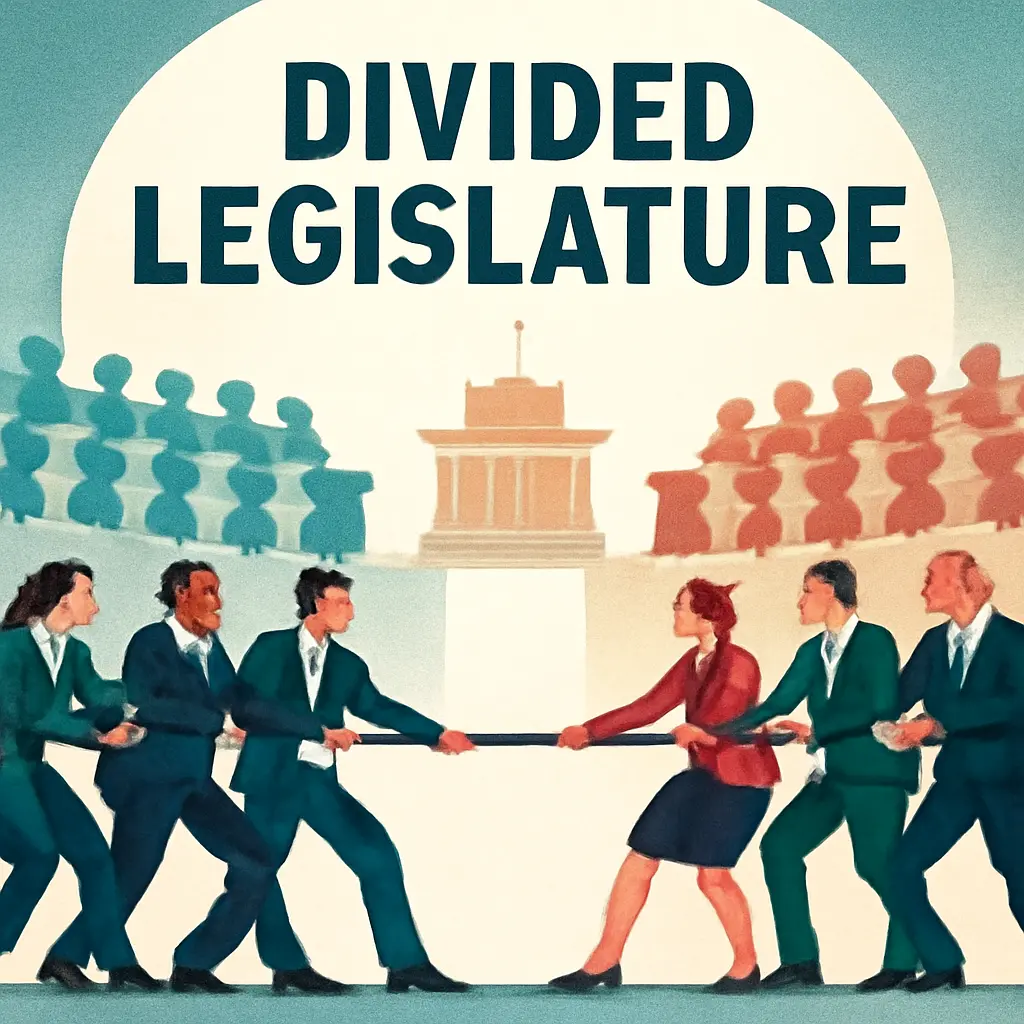
To set context: the promise of compromise assumes actors will trade across priorities to build durable policy. But when incentives reward short-term wins, symbolic concessions, or score-keeping rather than durable outcomes, compromise becomes theater. That mismatch explains why many negotiated deals don't survive political cycles. Below we'll define the problems, show concrete patterns, compare models using a simple table, and provide a step-by-step playbook — all while drawing lessons from seemingly unrelated disciplines like casino review ratings that emphasize measurable standards.
What breaks compromise: core structural flaws
There are predictable failure modes that make compromise brittle. On the political side, factors such as polarizing primaries, asymmetric incentives, and institutional rules like the filibuster create environments where compromise can be punished. On the policy side, vague language, weak enforcement, and lack of measurement allow bad results to slide. Think of it this way: a bill without metrics is like a casino without transparent casino review ratings — patrons and regulators have no clear measure of performance or trust.
- Misaligned incentives: Elected officials prioritize reelection or short-term signaling over long-term implementation.
- Opaque enforcement: Laws without defined metrics become symbolic gestures.
- Complexity and uncertainty: Negotiations that hide trade-offs lead to fragile compromises.
- External disruptors: Special interests or misinformation campaigns can undermine deals.
How measurement and third-party review prevent breakdowns
Industries that survive scrutiny often rely on independent ratings. In the gaming sector, casino review ratings aggregate metrics like licensing, payout speed, and fairness; these create pressure for compliance. In public policy, similar third-party assessment — objective benchmarks, audits, and public dashboards — can convert vague compromises into enforceable programs. A reliable rating system gives voters and implementers a shared reference point.
Comparing approaches: compromise vs alternatives
Before prescribing a new path, it's useful to compare models side-by-side. The table below highlights trade-offs between traditional bipartisan compromise, technocratic design, and a rating-driven accountability model inspired by how industries use casino review ratings to sustain trust.
| Model | Strengths | Weaknesses | How a ratings approach helps |
|---|---|---|---|
| Bipartisan Compromise | Political breadth; short-term passage | Fragile, vague, susceptible to rollback | Ratings force clarity on outcomes and adherence |
| Technocratic Design | Evidence-driven; measurable | Perceived as elitist; political buy-in may be limited | Ratings translate technical results into public signals |
| Rating-Driven Accountability | Transparent, continuous assessment | Requires robust data collection and impartial evaluators | Mimics casino review ratings clarity: licensing, compliance, and performance metrics |
Real-world tactics: a practical playbook to replace brittle compromise
Policy professionals and civic leaders can move from brittle compromise to durable outcomes by adopting a few concrete tactics. These steps borrow from practices in regulated industries — including the metrics-driven world of online casinos where casino review ratings help shape behavior.
- Define success metrics: Specify clear, measurable goals at the bill's outset.
- Third-party auditing: Commission neutral evaluators to monitor implementation.
- Sunset and triggers: Build automatic reviews tied to performance data.
- Transparency dashboards: Public dashboards translate technical outcomes into digestible scores, similar to casino review ratings.
- Stakeholder accountability: Align funding and penalties to measured outcomes rather than intent alone.
These steps reduce ambiguity and create feedback loops that reward successful implementation. Think of a law scored each year for compliance much like a casino is rated annually for fairness and payout transparency. The public and legislators can then make informed decisions beyond campaign rhetoric.

Another useful tactic is to pilot bills in smaller jurisdictions or through demonstration projects. Much as a new casino mechanic might be tested and evaluated in reviews before mass rollout, pilot programs let policymakers instrument outcomes, adjust quickly, and build evidence that supports broader adoption.
Why political dynamics still resist reform — and how to overcome them
Resistance to a rating-driven approach often comes from two sources: fear of losing political discretion and the logistical costs of measurement. Both are solvable if designed smartly. First, embed review mechanisms as part of the negotiation, turning transparency into a selling point rather than a threat. Second, invest in data infrastructure; the costs are small relative to repeated policy failures.
Case elements to include in any reform bill
For faster adoption, every reform should include the following elements — think of them as the checklist that makes a policy "rateable" like a top-rated casino:
- Clear indicators: One to five metrics that directly reflect the policy goal.
- Independent verification: A trusted third party, rotating to avoid capture.
- Public reporting: Accessible dashboards or annual reports that mirror the transparency of casino review ratings.
- Enforcement triggers: Predefined corrective actions when performance falls below thresholds.
Conclusion: a new bargain for durable solutions
At GaithersBloc we argue that the image of compromise as an end in itself must evolve. Durable public policy requires more than negotiated language — it needs measurement, transparency, and ongoing accountability. By borrowing principles behind trusted rating systems, including casino review ratings, policymakers can convert symbolic deals into mechanisms that stand up to scrutiny and deliver results.
Key takeaways:
- Do not confuse passage with success: A law must have measurable outcomes.
- Use independent ratings: Third-party assessment creates shared expectations.
- Design for the long term: Sunsets, pilots, and dashboards sustain performance.
Ultimately, the goal is not to reject negotiation — compromise remains a useful tool — but to make it accountable. When voters can see a policy's scorecard, much like they consult casino review ratings before choosing a platform, the incentives shift from short-term theater to lasting impact. That's how we break gridlock and build solutions that endure.





To leave a comment, please sign up or log in
Log in / Sign up